


Verifying Real vs. Fake Crystal Bracelets: 3 Simple Tests for Authenticity is essential for collectors and mindful wearers who want genuine earth-born stones. Many people turn to these checks because synthetic glass, treated resin, and dyed plastics flood the modern market. Our guide delivers reliable, accessible testing methods so you can evaluate your gemstone jewelry with complete confidence.
Key Quick Summary:
- 💎 Thermal Baseline: Real mineral beads stay cool to the touch and absorb body warmth very slowly.
- 🔮 Natural Inclusions: Authentic gemstones feature organic internal veining, micro-fissures, and irregular color zoning.
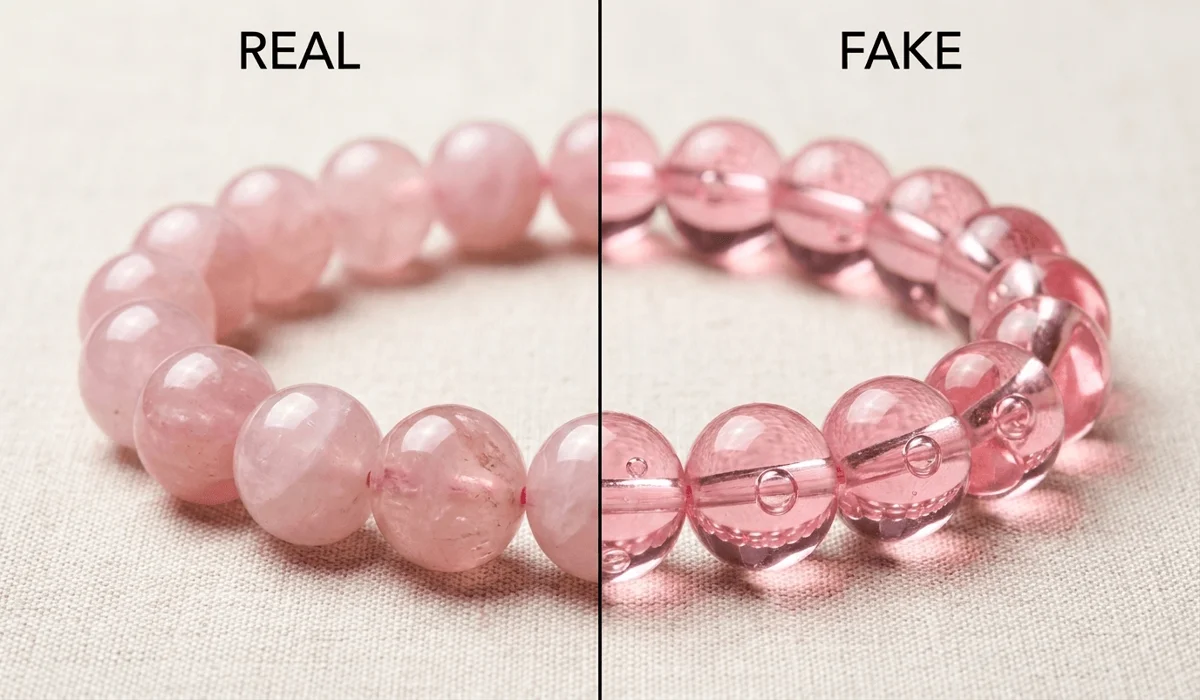
- 🌿 Air Bubble Warning: Round spherical bubbles inside transparent beads clearly indicate artificial melted glass or resin.
- ⚖️ Physical Heft: Natural crystals possess higher mineral density and feel heavier in your palm than plastic imitations.
- ✨ Mindful Intention: Genuine earth-formed minerals preserve their organic integrity for traditional meditative focus.
What Are Real vs. Fake Crystal Bracelets: 3 Simple Tests for Authenticity?
Genuine gemstone bracelets feature natural mineral beads formed deep within the earth over millions of years through intense heat and tectonic pressure. In contrast, mass-market imitations use molded plastic, colored resin, or melted glass that mimics natural color. Learning to spot genuine minerals ensures your pieces carry the authentic physical traits of true earth stones.
The Thermal and Tactile Assessment
The first simple test measures thermal conductivity by resting the bracelet against your skin. Natural stones absorb and conduct heat slowly, which makes them feel noticeably cold against your cheek or inner wrist. When we handle raw minerals in our workshop, this initial cold shock is always the first physical sign of real stone.
Plastic and resin beads warm up almost instantly to your natural body temperature. Melted glass may feel cool for a split second, but it loses that chill much faster than dense crystalline quartz. If your beads feel room temperature right out of the jewelry box, they are likely synthetic imitations.
Internal Structure and Optical Inspection
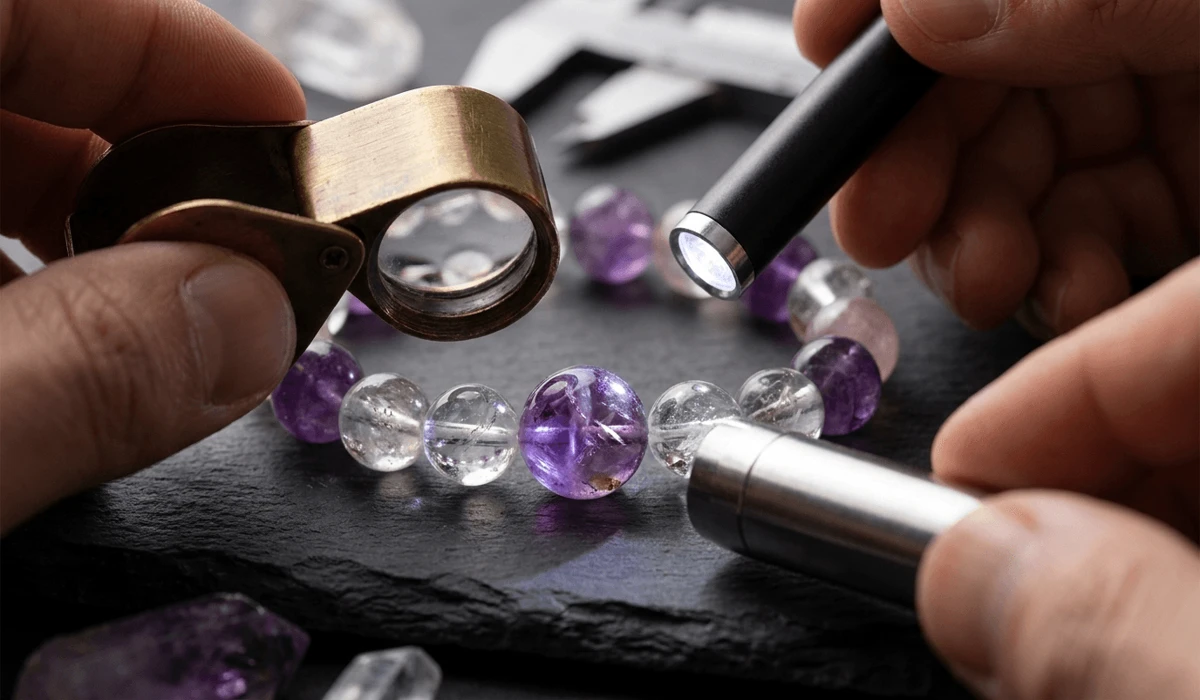
The second evaluation focuses on examining the internal clarity and structural patterns of each bead under focused light. Natural minerals grow under dynamic subterranean conditions, leaving behind organic traits like internal veining, tiny mineral clouds, and micro-fractures. In our studio, we rely on standard gemological standards documented by the Gemological Institute of America to study internal growth planes.
Hold your beads directly under bright natural sunlight or a strong penlight to look inside the material. Look closely for round, spherical air pockets, which are unmistakable proof of factory-poured glass. Genuine quartz can contain irregular liquid or gas chambers, but manufactured glass displays smooth, perfectly circular bubbles.
Be sure to inspect the drill holes where the elastic cord enters the bead. Cheap imitations often display uneven dye pooling, chipped glass rims, or powdery residue around the openings. For detailed comparisons on dye lines and fake stone banding, review our specialized guide on Real Vs Fake Malachite.
Heft, Density, and Surface Resilience
The third home test evaluates specific gravity, physical weight, and relative surface durability. Genuine mineral beads have high density, giving them a satisfying, balanced heft when rested in the palm of your hand. Lightweight beads that feel like hollow toys are almost certainly molded acrylics or porous resin casts.
You can also check scratch resistance using the recognized mineral hardness criteria cataloged by The Gemmological Association. Natural quartz rates at 7 on the Mohs scale, which easily resists surface scratches from common copper coins or household steel keys. Glass scores around 5.5, meaning steel can scratch it, while plastic scratches with minimal effort.
Always perform scratch testing with extreme caution on a hidden spot right beside the drill hole. Never drag sharp metal across the visible face of polished beads, as this could permanently ruin fine jewelry. Gentle handling preserves the beautiful luster of your bracelets while confirming their natural resilience.
Video source:YouTube
Author:The Crystal Elephant
Original video link:https://www.youtube.com/watch?v=jVvZIxVIo44
Spiritual Meaning & Symbolism
Cultural traditions across the world honor genuine minerals as physical anchors of the terrestrial realm. Natural gemstones take shape over millennia, embodying the patient, steady cycles of the earth. Because of this slow underground journey, authentic stones symbolize resilience, endurance, and quiet inner harmony.
Synthetic plastic and factory glass carry no geological history or natural mineral lineage. While factory beads can look pretty, they lack the organic origin that mindful practitioners value. Choosing genuine stones connects your daily routine directly to the authentic beauty of the natural earth.
In classical Feng Shui, authentic minerals help balance and ground the vital Chi(气)within living spaces and personal energy fields. Natural quartz, jade, and agate ground restless environments, while artificial polymers remain completely neutral. Real stones serve as tangible reminders of balance and natural stability.
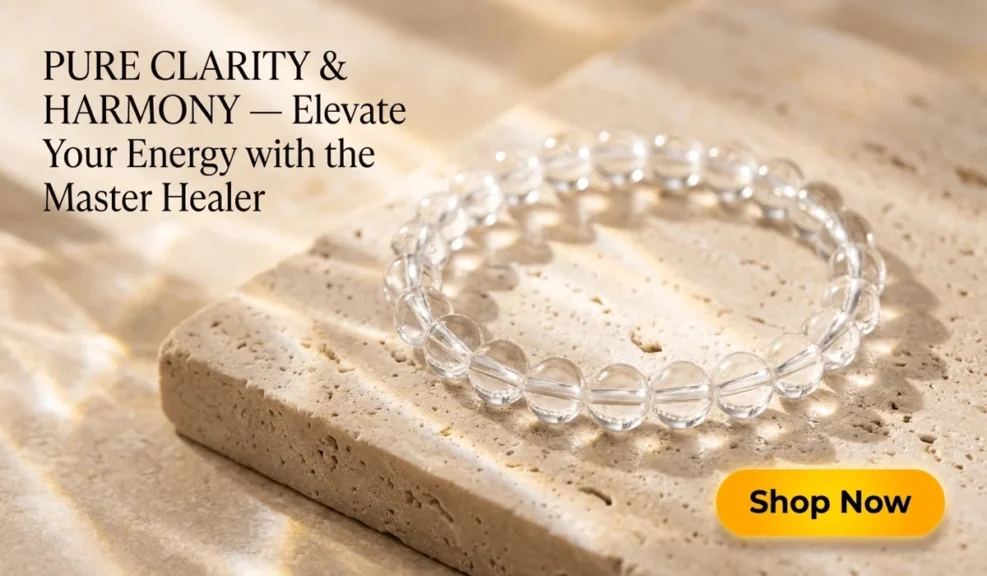
Benefits & Intentions
Wearing verified genuine stones provides a tactile, grounding anchor during busy daily routines. The natural weight of cool mineral beads against the skin serves as an instant physical reminder to take a deep breath and stay present. Many of our studio clients share that touching their genuine beads helps them regain focus during demanding workdays.
Testing your jewelry also brings complete confidence to your personal intention-setting rituals. When you know your bracelet is an authentic product of nature, your mind remains free of second thoughts during meditation. If you want to understand how different natural stones support meditation practices, check our educational guide on Crystal Meanings & Healing.
Natural minerals also display unique organic beauty that mass-produced plastic beads cannot match. Every authentic bead features its own one-of-a-kind internal clouds, mineral traces, and soft color shifts. Wearing genuine gemstones celebrates individual character and natural craftsmanship.
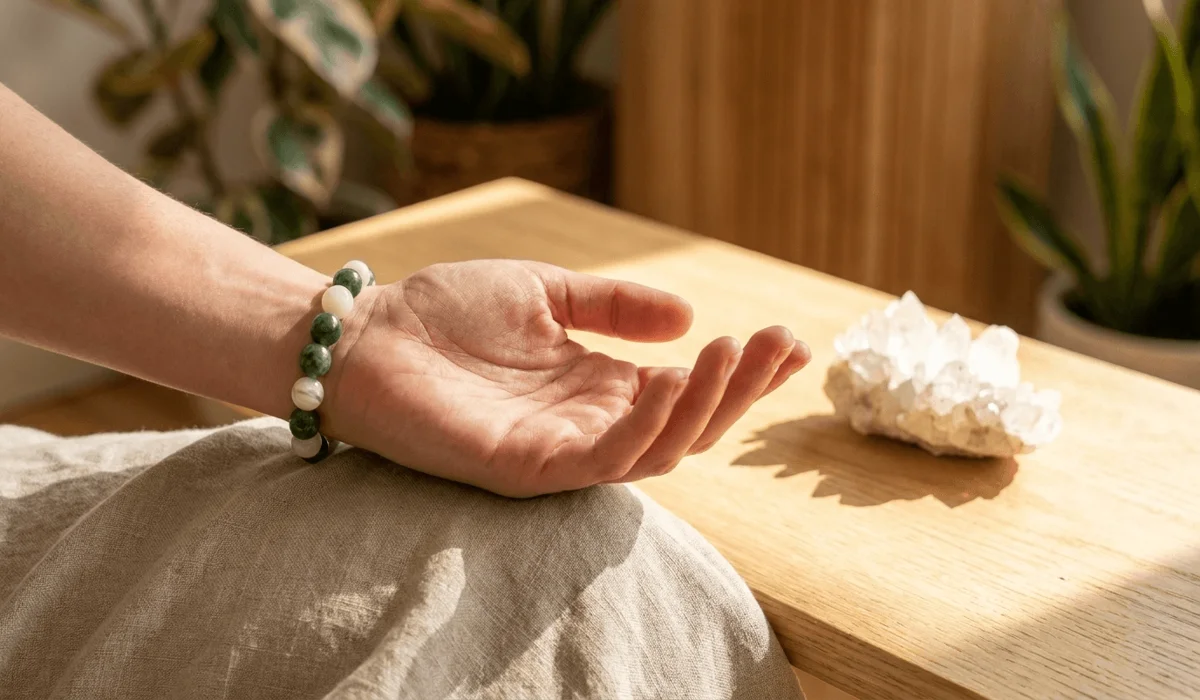
How to Wear Crystal Bracelets
In traditional energy practices, the body maintains distinct receptive and projective channels. Understanding how these channels work helps you decide which wrist to adorn based on your personal goals for the day.
Here are the traditional guidelines for wearing your genuine gemstone bracelets:
- 🌿 Left Wrist Placement: Known as the receptive side, wearing stones here draws in calming energy, inner patience, and mindfulness.
- ⚡ Right Wrist Placement: Known as the projective side, wearing beads here helps release built-up tension and project focused confidence outward.
- 💎 Intuitive Selection: Trust your personal comfort each morning rather than following rigid, stressful rules.
Taking a quiet moment to prepare your jewelry in the morning sets a clear tone for your entire day. Simply wipe each bead clean with a dry cloth and pause for one calm breath. If you are seeking genuine artisan jewelry for your daily routine, browse the authentic selections in our Buddha Bodhis Bracelets collection.
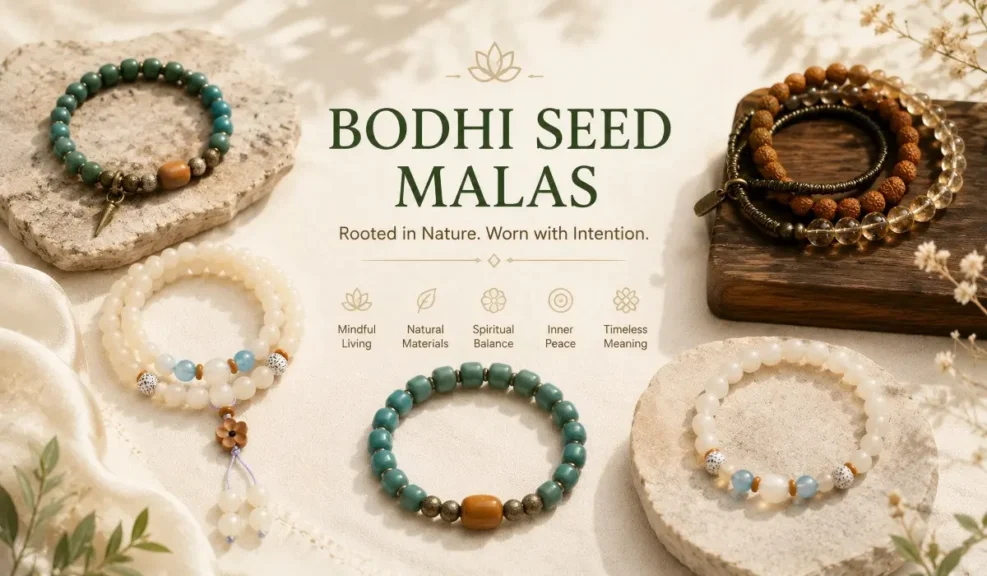
Real Crystal Bracelets vs Similar Stones
To help you distinguish genuine minerals from clever imitations, we compiled this side-by-side diagnostic comparison. Review the clear differences below to identify the physical characteristics of authentic materials.
| Material Category | Thermal Reaction | Internal Appearance | Mohs Hardness | Weight Profile |
|---|---|---|---|---|
| Natural Quartz | Stays cold for several seconds against skin | Organic veining, soft internal clouds, natural fissures | 7.0 (Resists steel) | Solid, noticeably dense mineral heft |
| Colored Glass | Warms quickly to skin contact | Perfect transparency with round air bubbles | 5.0 to 5.5 (Scratched by steel) | Moderate weight, lighter than quartz |
| Synthetic Plastic/Resin | Feels warm or room temperature immediately | Uniform artificial color, mold seam lines | 1.5 to 3.0 (Easily scratched) | Extremely light, feels hollow |
Natural quartz and nephrite jade always exhibit soft internal variation and strong scratch resistance. In contrast, common imitation glass features telltale spherical cavities left behind by industrial melting processes. For further geological classifications regarding mineral habit and atomic structures, consult the extensive earth science archives on Wikipedia Mineralogy Guides.
“True earthly gemstones never strive for mechanical perfection; their natural inner inclusions are the authentic signatures of geological time.”
Who Is Crystal Bracelets Suitable For?
These simple testing techniques are designed for anyone who values honest craftsmanship, mindful living, and natural gemstones. Beginners can easily verify new purchases at home without having to purchase expensive laboratory equipment. These tests empower collectors to shop wisely and identify deceptive online listings.
Holistic practitioners and meditators also benefit greatly from confirming their stones are genuine. Knowing your jewelry contains pure natural minerals brings peace of mind to your daily grounding routines. Anyone who loves the timeless beauty of earth-born minerals will find these three simple checks immensely useful.
How to Cleanse, Charge, and Care for Crystal Bracelets
Proper cleansing and mindful care preserve the physical brilliance and structural integrity of your genuine gemstone jewelry over many years of wear.
Here are our recommended steps for caring for your genuine gemstone bracelets:
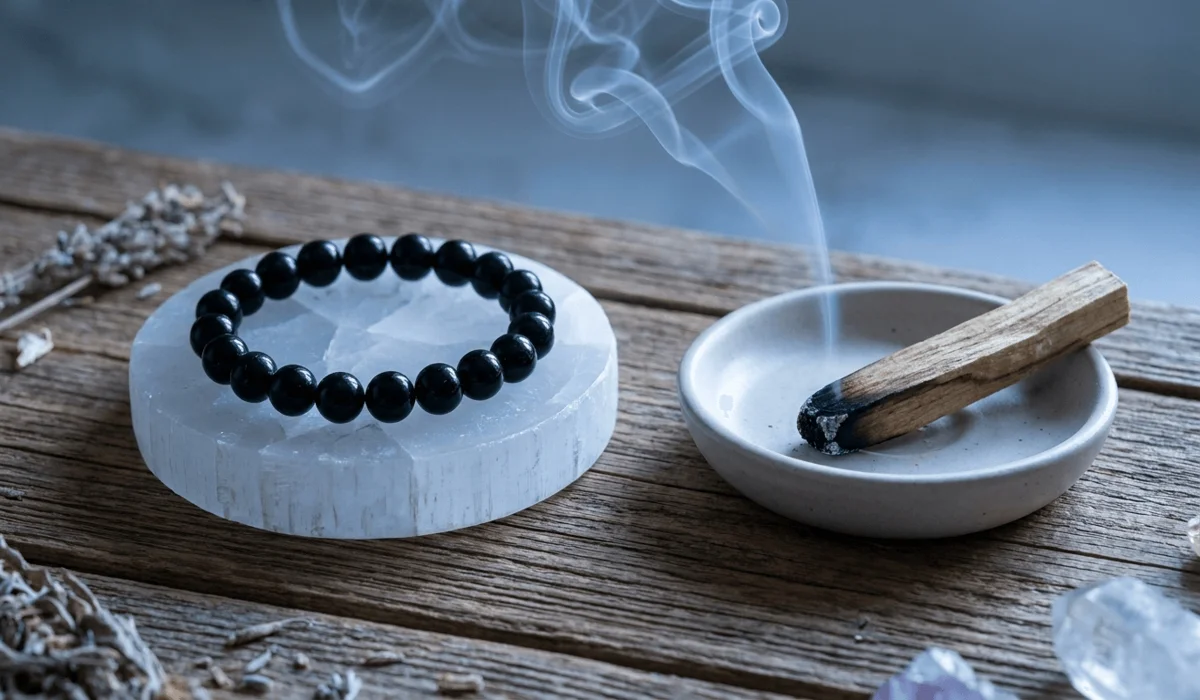
- 🌿 Botanical Smoke Cleansing: Gently waft aromatic smoke from cedar or dried sage around the beads to refresh their presence.
- 🔔 Acoustic Vibration: Ring a Tibetan singing bowl or gentle brass bell nearby to clear lingering energetic stagnation through sound.
- 🌙 Moonlight Charging: Rest your bracelet on an untreated wooden tray overnight under the soothing light of a full moon.
- 🔮 Selenite Slab Cleansing: Place your gemstone beads directly atop an authentic white selenite slab for effortless recharging.
- 💧 Safe Handling Precautions: Never soak delicate or porous minerals in harsh salt water, as moisture weakens internal bonds and degrades elastic cords.
Always take off your bracelets before showering, exercising, or swimming in chlorinated pools. Chemicals and sweat degrade natural elastic cords over time and can dull the polished faces of softer gemstones. Simply wipe your beads with a dry microfiber cloth after wearing them to keep them clean and bright.
Frequently Asked Questions
Q: How do I know if a crystal bracelet is real?
A: Real mineral beads feel distinctly cool to the touch, stay cold for several seconds, and possess noticeable physical heft in your hand. Under bright light, genuine gemstones show natural internal veining, micro-fractures, or color zoning rather than uniform round air bubbles.
Q: What crystals are commonly faked?
A: Clear quartz, rose quartz, and amethyst are frequently faked using melted colored glass or synthetic resin. Malachite, turquoise, and lapis lazuli are also commonly imitated using dyed stone powders, toxic polymer clay, or cheap composite plastics.
Q: How can you tell the difference between real crystals and fake crystals?
A: Real crystals have natural crystalline lattice structures, feel heavy, and resist minor scratches on the Mohs hardness scale. Fake crystals feel lightweight, warm up instantly to body heat, display circular air bubbles, and scratch very easily under light pressure.
Q: Are clear bubbles a sign of fake crystals?
A: Yes, round spherical air bubbles are an unmistakable sign of factory-melted glass or poured synthetic resin. Natural stones can hold irregular fluid pockets, but perfectly circular bubbles only form during artificial industrial melting processes.
Q: How to test if crystal bracelet is real at home?
A: Press the beads against your cheek to feel their sustained baseline coolness, then examine the drill holes under a flashlight for uneven chemical dyes. Finally, compare the bracelet weight in your palm against a plastic item of similar size to confirm higher mineral density.
Conclusion & Gentle Next Step:
Evaluating thermal baseline coolness, natural structural inclusions, and physical mineral weight provides an easy way to verify crystal authenticity. Choosing genuine earth-formed minerals honors timeless traditions and brings peace of mind to your daily grounding journey. Take time to examine your jewelry mindfully, and explore authentic artisan designs made with genuine natural stones.
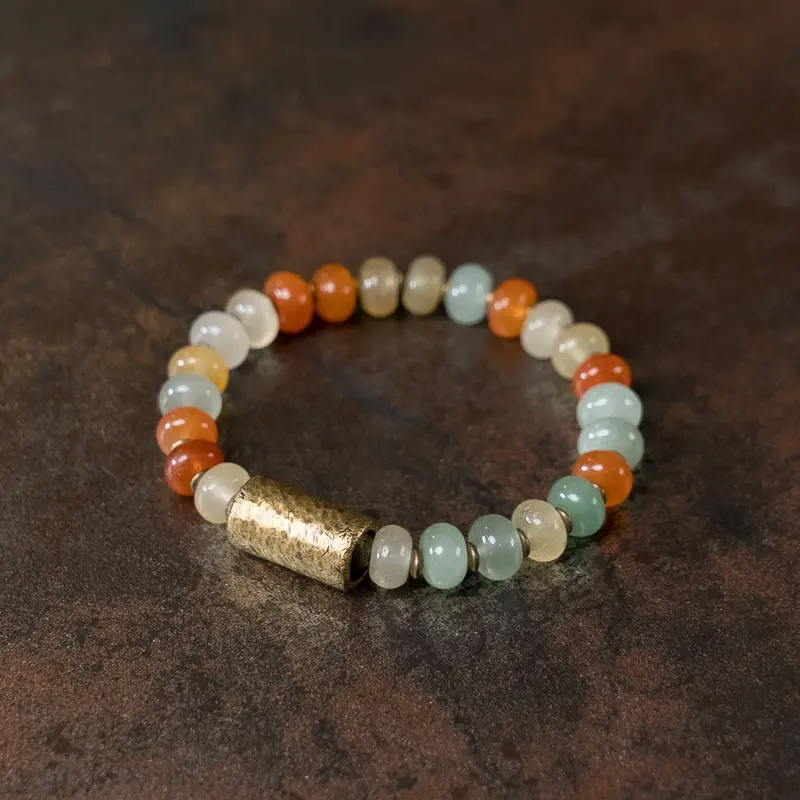
7 Chakra Multi-Color Agate Bracelet | Emotional Balance & Harmony
Align your energy centers. A spectrum of healing in one strand.
This vibrant **Multi-Color Agate Bracelet** is a wearable alignment tool. Featuring 8x5mm Abacus beads in earthy reds, soothing greens, and warm yellows, it resonates with multiple energy centers to create total **Chakra Balance**.
Anchored by a textured **Antique Brass Cylinder**, this bracelet grounds scattered energy while uplifting your spirit. It is the perfect daily companion for Yoga practice or stress relief.
- 🌈 Stone: Natural Agate (Stabilizing & Strengthening)
- ⚖️ Function: Balances Yin & Yang, Harmonizes Chakras
- 📏 Design: 8*5mm Abacus Beads with Brass Spacers
- ✨ Intention: Balance, Emotional Stability
This content is provided strictly for educational, informational, and cultural exchange purposes. It does not constitute medical, legal, financial, or other professional advice. Readers should always consult qualified professionals for specific health or personal matters.

Written by the Buddha Bodhis Team
Since 2020, we have been devoted to exploring traditional year-based wisdom, classical Feng Shui principles, and the rich spiritual symbolism rooted in Eastern cultural heritage. Our work bridges ancient metaphysical systems with modern life, interpreting annual cycles, elemental energies, and symbolic meanings to offer thoughtful insight and practical guidance. Through continuous research and practice, we aim to preserve traditional knowledge while making it accessible, relevant, and meaningful for contemporary seekers of balance, intention, and personal growth.
TikTok | YouTube | Pinterest | X
buddhabodhis@gmail.com